



Image Source: https://luxuryholidaynepal.com
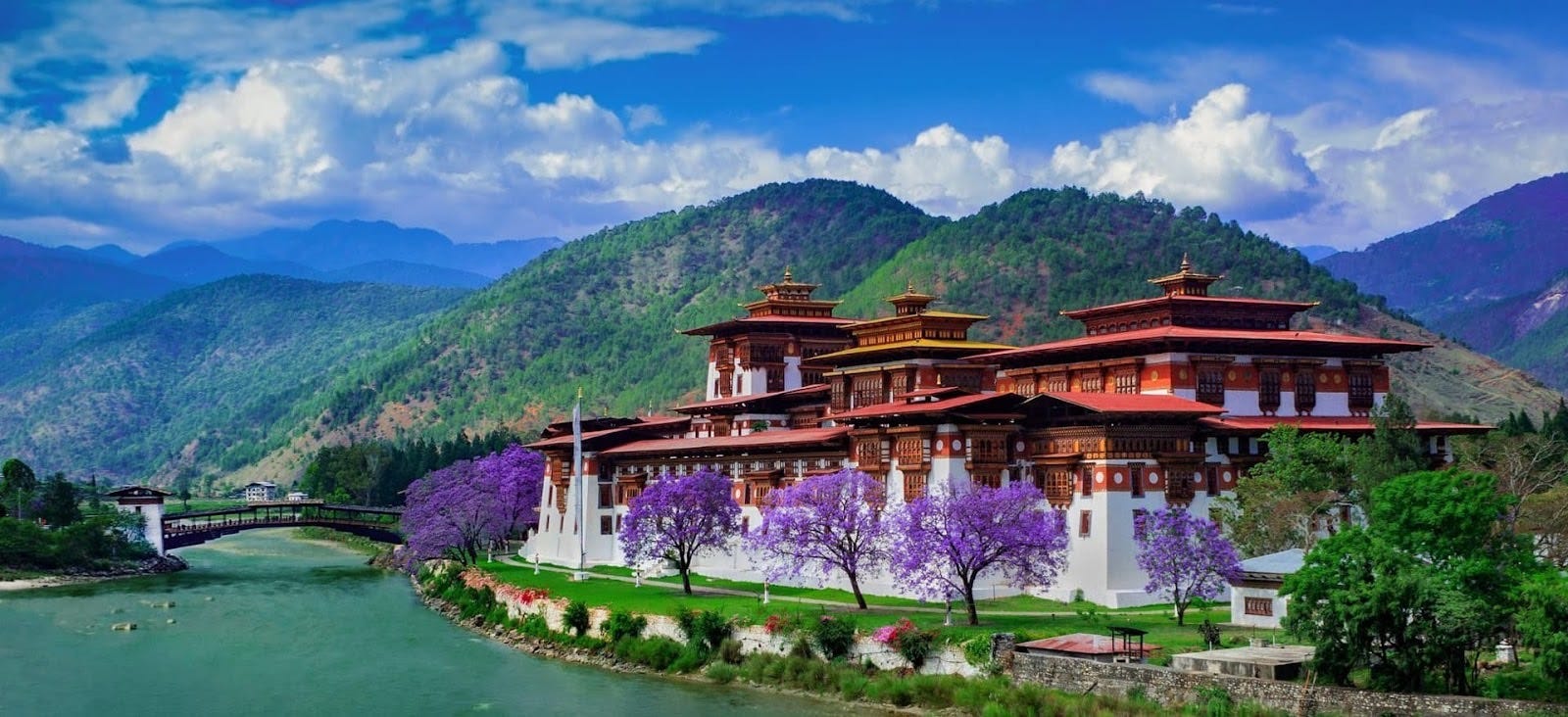
High in the Himalayas, Bhutan stands as the only country that employs the developmental philosophy of Gross National Happiness (GNH), prioritizing collective well-being and ethical practices over material wealth. Rooted in Buddhist values, GNH has guided Bhutan’s policies for decades, helping the country become the world’s only carbon-negative nation. With its 13th Five-Year Plan (2024–2029), Bhutan seeks to accelerate economic growth while upholding its core values. Bhutan’s continued commitment to GNH proves that a nation can balance economic progress with ethical governance, environmental stewardship, and collective well-being, providing a model for other countries seeking more sustainable and citizen-centered development. This model not only shapes Bhutan’s domestic policy, but also offers a transferable framework for other countries to incorporate more GNH principles. Sri Lanka, in particular, provides a relevant example for examining how GNH-inspired values could guide a nation confronting economic instability. Considering Sri Lanka’s ongoing development challenges, applying Bhutan’s principles there offers insight into how GNH could function within a separate country.
The concept of GNH was introduced by King Jigme Singye Wangchuck in 1972, the fourth king of Bhutan, who questioned whether Gross Domestic Product (GDP) alone could ensure a nation’s well-being. Bhutan’s 1629 legal code emphasized that a government’s purpose is to create happiness for its people. Although rooted in centuries of Buddhist tradition, GNH has evolved into a modern policy model built on four pillars: good governance, sustainable socio-economic development, cultural preservation, and environmental conservation.
These pillars have guided Bhutan’s sustainability successes. The country maintains over 70% forest cover, well above the constitutional minimum of 60%, allowing the nation to absorb more carbon than it emits. Under the current Five-Year Plan, Bhutan aims to grow sectors such as tourism and green energy, especially hydropower exports to India, while modernizing infrastructure. Every project is evaluated for adherence to GNH principles, demonstrating that modernization can occur without compromising moral or environmental values.
While Bhutan’s unique culture and geographic position allow for the use of GNH, other countries could adopt similar people-centered development models. Sri Lanka provides a compelling choice because its economic and cultural profile is comparable to Bhutan’s, yet it faces social and governance crises that make GNH ideology especially relevant. After years of economic instability, notably the Sri Lankan economic crisis in 2022, Sri Lanka faces the limits of solely measuring growth by GDP. According to the 2025 World Happiness Report, Sri Lanka ranked 133rd out of 147 countries with a score of 3.89 out of 10, far below the global average of 5.56. This statistic highlights a national need to redefine progress not just in economic terms, but in ways that can improve citizens’ well-being and public trust.
Sri Lanka’s deeply rooted Buddhist heritage provides a natural foundation for adopting the GNH model. With around 70% of its population being Buddhist, implementing GNH would not be an external imposition, but rather an expansion of values already incorporated in Sri Lankan society. Values such as compassion, mindfulness, and collective well-being are already familiar and culturally resonate with the people of Sri Lanka. This cultural alignment creates an environment where policies aimed at improving mental health and environmental stewardship are more likely to gain public trust and participation. Sri Lanka’s cultural landscape not only supports the adoption of GNH, but also allows the framework to be embraced, sustained, and translated into meaningful social progress.
The GNH-inspired framework would also create significant opportunities for Sri Lanka’s long-term development. A shift toward GNH-based governance would not only address economic concerns but also strengthen social cohesion and rebuild public trust, both key factors in stabilizing a nation emerging from crisis. By integrating happiness and sustainability indicators into national planning, Sri Lanka could reorient development toward quality of life, equitable growth, and environmental protection rather than short-term economic expansion. Such an approach could promote sustainable tourism, enhance mental health services, support community-driven development, and improve education systems.
A GNH-inspired framework could also help Sri Lanka address several of its most pressing challenges, including poverty alleviation, with 24.5% of Sri Lankans living below the international poverty line. Integrating well-being metrics into national planning could redirect policy toward food security, wage growth, and improved employment. A Sri Lankan well-being Index would track multiple categories, allowing the government to design programs that aim to reduce poverty. Sri Lanka could also start implementing five-year plans like Bhutan, setting clear targets for national development. A GNH-aligned development plan could expand green jobs in renewable energy and sustainable agriculture– sectors that are already targeted by the World Bank and the IFC’s $1 billion support package.
Looking at the historical development of Bhutan and Sri Lanka illustrates how different policies (GNH versus GDP) shaped their social stability and long-term well-being. Prior to 1970, both nations were similar with rural-based economies and relatively low environmental degradation. However, Sri Lanka’s rapid industrialization shifted its development priorities towards GDP growth at the expense of social harmony. In contrast, Bhutan consciously adopted GNH to preserve its social values as it modernized, preventing the political instability that Sri Lanka later experienced. This historical change suggests that Sri Lanka might have benefited from following Bhutan’s philosophy.
Implementing GNH principles in Sri Lanka, though promising, confronts a set of limitations. Its economy relies heavily on sectors that are difficult to align with strict environmental conservation, as much of its exports come from apparel manufacturing, high-intensity agriculture, and urban expansion. Therefore, implementing GNH would require substantial reforms in the government and in environmental regulations. Nevertheless, while Sri Lanka cannot exactly replicate Bhutan’s GNH model due to social, economic, and political restraints, it can draw on its core principles to guide human-centered development. By integrating cultural and religious values with targeted policy reforms and long-term sustainability goals, Sri Lanka has the potential to evolve into a stable and equitable society.

Helen Liu (BC ’29) is a writer for the Columbia Emerging Markets Review studying Economics. She is interested in how historical developments and technological change shape innovation, economic opportunity, and institutional development in emerging markets.